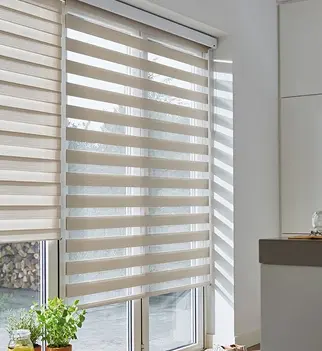
Woven Wood Shades: The Natural Window Treatment Trend Designers Love
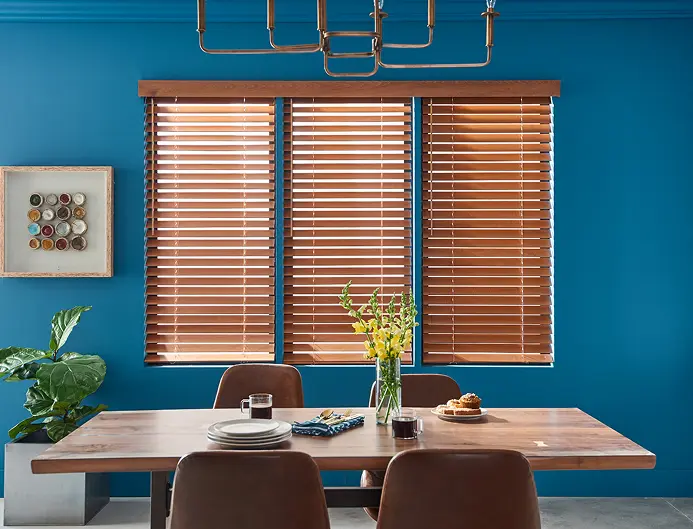
What Are Woven Wood Shades?
They're made from natural materials- bamboo, jute, reeds, assorted grasses- woven into a pattern instead of assembled from synthetic slats or fabric panels. The texture comes from the weave itself, so no two shades look quite identical, even off the same production run. That inconsistency is the point.
Why Designers Keep Choosing Them
Synthetic materials can fake a lot, but they can't fake how light actually moves through a woven texture. It filters unevenly, in a way fabric or vinyl never quite pulls off. Designers reach for woven wood because it adds texture without competing with everything else in the room, and it goes with almost any palette you put next to it. It's part of a broader shift toward natural window treatments as people move away from anything that reads mass-produced.
Styles That Work With Woven Wood
Coastal and beach house interiors lean on light, airy weaves that sit easily with whites, soft blues, and driftwood tones. Modern farmhouses take the opposite approach, pairing woven texture with neutral walls, metal fixtures, and linen to chase the lived-in look the style is known for. Bohemian and eclectic spaces treat it as a layering tool, something to stack with patterned textiles and mismatched textures rather than coordinate. And even a pared-back Scandinavian room can take a simple weave without it reading as clutter, since it adds warmth rather than noise.
Light Control and Privacy: What to Know First
Here's what catches people off guard. Most woven wood shades filter light. They don't block it. The same weave that gives them texture is what lets light, and sometimes a little visibility, through the gaps. Fine in a living room. Less fine in a bedroom that faces the street.
Liners handle this. A liner goes in behind the shade, blocking light and outside visibility while the woven texture stays visible from inside the room. You don't lose the look to get the function.
Choosing Material and Weave
Bamboo tends to read more structured, almost polished. Jute feels looser and more rustic by comparison. Reeds and mixed grasses land somewhere in the middle, and how tight the weave is matters more than the material itself. Tighter weaves block more light and feel denser. Looser ones let more light through and feel airier. The right choice depends on what the room needs.
Why Custom Window Shades Make Sense Here
Woven wood often lands on wider windows than standard sizes were built for, and that's where stock shades start showing seams or gaps a tighter fit would have avoided. Custom shades are built to the actual width and drop of the window, and they let you pick a weave and tone that fits the room instead of whatever happens to be sitting in stock that week.
Caring for Woven Wood Shades
A soft brush attachment and a regular schedule go a long way, since natural fibers hold onto dust more than synthetic materials do. Keep them away from ongoing moisture. Living rooms and dining rooms are where these shades do their best work. Bathrooms and kitchens take more thought, given the humidity and grease that come standard in both.
FAQ
1. Do these shades block light completely?
Not on their own. Most filter rather than block, though a blackout liner solves that for a room where darkness actually matters.
2. What's the real difference between bamboo and jute?
Bamboo looks more structured and polished. Jute is looser and more textured, with a rustic feel.
3. Do these hold up in a bathroom or kitchen?
They can, but moisture and grease are real considerations there. A liner and more frequent cleaning help, though tile or vinyl still handle those rooms with less fuss.
4. Can a liner be added after the shade's already installed?
Usually, especially with custom orders built with the liner attachment in mind from the start.
5. How do custom shades help with an oversized window?
They're built to the window's exact width and drop, so there's no seam or gap where a standard size gets stretched past what it was made for.
6. Do these fit modern homes, or mostly rustic ones?
Modern and contemporary spaces use them all the time, typically with a tighter weave and a more neutral, restrained palette.