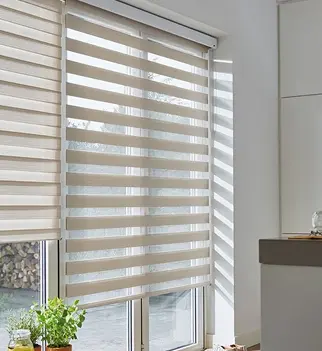
Wood vs. Faux Wood Blinds: Which Is Best for Your Home?
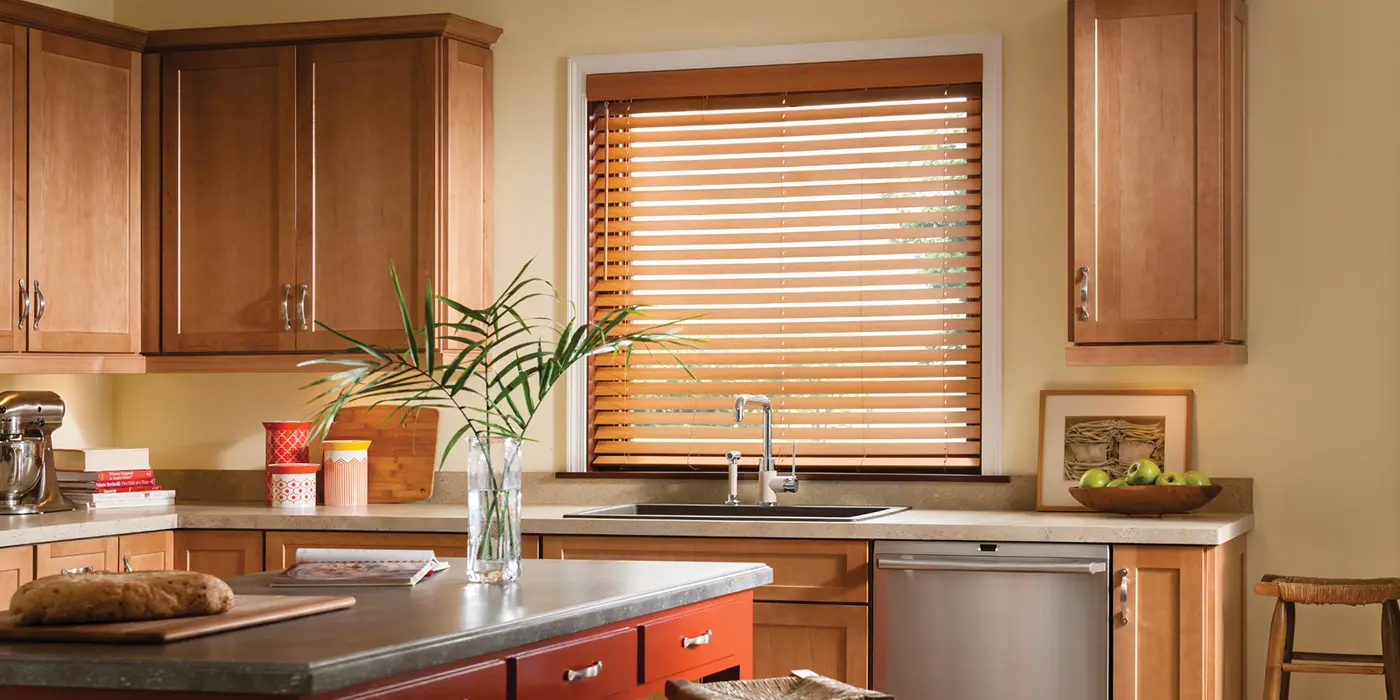
Natural wood blinds have a unique finish, as it evokes a more homey feel. Faux wood lasts longer and has greater resistance to heat and moisture. Their appearance may look the same, but their behavior may be very dissimilar.
Aesthetic and Design Influence
Real wood blinds have a look and feel that is high-quality and difficult to duplicate. The look of the wood is more authentic and elegant, especially if the space has wood floors and other natural wood finishes. Faux wood blinds look more uniform and have a sleeker, more modern finish. These blinds are a good accompaniment to modern houses, rented houses, and other spaces where the design is more about organization rather than a natural look.
Faux Blinds Versatility In Everyday Life
In most cases, when talking about durability, faux wood blinds win easily. They are made to withstand humidity, temperatures, and everyday things, without bending or cracking. Wood blinds can also be made to be durable, but they are only made to be used in environments where temperature and humidity are stable.
Moisture Resistance and Room Placement
This is where faux wood blinds are at their best. In places like where steam and humidity come like kitchens, bathrooms, laundry rooms, and basements, they do their best. In places like living rooms and offices, wood blinds do their best since those rooms are drier and have stable environments. Choosing the proper blind is the best way to ensure maximum performance and satisfaction.
How to Maintain These Blinds
Faux wood blinds also need less work since they need less time dedicated to them. A wipe with a wet cloth is enough to clean. In wood blinds, careful cleaning and gentle dusting are needed. They do show some signs of use but with proper maintenance, they show some signs of use but with proper maintenance, they age with grace.
The Price Tag and Future Worth
Blinds made of faux wood are cheaper than their genuine wood counterparts and are therefore beneficial for budget-conscious people and for home configs where they have to buy a lot of blinds. Given their price, faux wood blinds are hard to beat in terms of how long they last, whereas wood blinds tend to be pricier, but many homeowners buy them as a long-term investment. Wood blinds can also increase the overall appeal of the home due to their natural look and can also give off a more elegant vibe to the interior.
Weight, Functionality, and Size
Faux wood blinds are heavier than real wood blinds. On very large or wide windows, they can weigh them down and affect the ease of operation, and may require additional support. Wood blinds are lighter, which often makes them less of a hassle to tilt down or open up than the faux wood blinds. How much weight they have will play a role in which blinds are the best to get for a large window.
Energy Use, Comfort, and Price
Both wood and faux wood blinds help with energy efficiency because they help manage how much light enters a room and at what temperature. They keep the indoor temperature comfortable by reducing the amount of heat that comes from outside through the window. A lot of times, the correct fit and professional installation are more important than the material of the blinds when it comes to how unobstructed the window will be.
Options for Customization
When it comes to custom wood and faux wood blinds, there is a wide variety of options. Homeowners get to choose between multiple slat sizes, a number of different colors, and different types of decorative tape. Homeowners choose between different finishes and get to choose the exact size of their blinds for an exact fit. Modern faux wood blinds come in new finishes that are very similar to the look of wood. Custom wood blinds offer the best options for design-prioritized spaces.
Common Misconceptions
Many common myths surround faux wood blinds. One popular myth is that faux wood blinds are actually really cheap. This is not the case. Modern faux wood blinds are created to look like real wood and, in many cases, look almost identical once the blinds have been installed. Another common myth is that faux wood blinds are more suited for rentals. In fact, many modern, high-end homes are choosing faux wood blinds to help with the clean, modern look of the home, paired with the durability of the blinds.
What’s Right for Your Home
When it comes to faux wood blinds versus real wood blinds, the choice comes down to the look and feel you want for your home. Real wood blinds help with a more design-first look in your home, and in more moisture-heavy rooms, faux wood blinds work great and help with the design of the home. Why Getting Help Matters
When deciding on the types of blinds and shade materials to use, seeing the samples and feeling the textures can make the differences between options much clearer. Professional services for measuring and installation of blinds and shades ensure that the options chosen perform as intended, correctly, and complement the decor of the room (or office).
Conclusion
When choosing between wood blinds and faux wood blinds, one thing to keep in mind is that the best option is not about what is in style or trendy at the time, but choosing the best option that works for what your home does right now and what you want to do with it in the future.
Frequently Asked Questions
1.Are faux wood blinds better than real wood?
Faux wood blinds are better for spaces that get a lot of moisture, while real wood blinds are better for spaces that are dry and are designed and focused on aesthetics.
2.Do faux wood blinds look like real wood?
Yes, modern faux wood blinds look like real wood very closely, and once installation is done, they mimic real wood.
3.Which option lasts longer?
Faux wood blinds can last longer in places with humid environments, but wood blinds can last for a long time in a space that does not change a lot.
4.Are faux wood blinds heavier than wood blinds?
Yes, faux wood blinds are heavier. This is especially important when measuring for very large or wide windows.
5.Can wood and faux wood blinds be used together in the same house?
Certainly! It’s common to see faux wood blinds used in kitchens and bathrooms, and real wood blinds used in living areas.