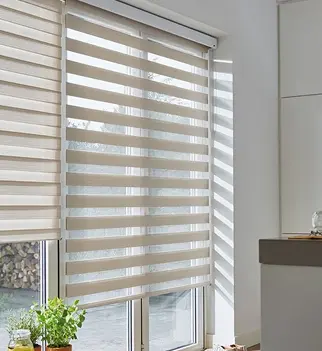
Wood Blinds vs. Faux Wood Blinds: What’s the Real Difference?
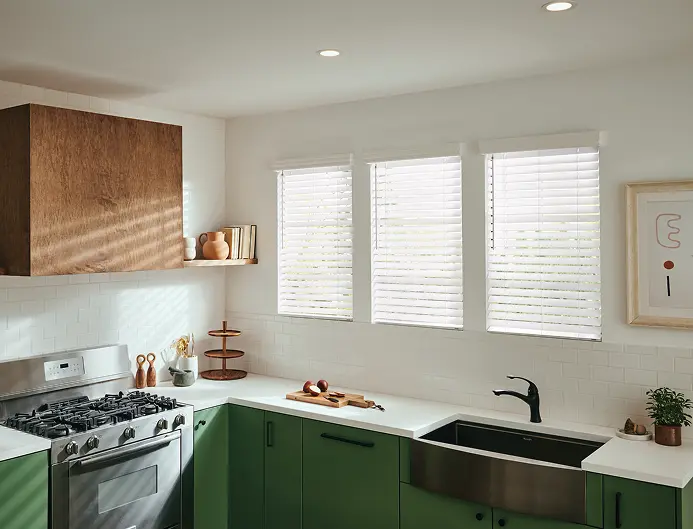
Differences Between Wood Blinds and Faux Wood Blinds
Finding the right window treatment can be harder than it sounds. When looking at different types of blinds, they might look the same, but the materials used in those blinds are different, which can make an impact on the performance, longevity, and overall style of the blinds. When inquiring about window covering, there are many homeowners who wonder if they should get traditional blinds made of wood or faux blinds made of wood.
Both types of blinds offer similar features with the horizontal slats. They provide the user the ability to control the amount of light coming in, they give the user privacy, and they give clean lines. However, the materials used to make each of them cause them to perform differently in different situations. Knowing these differences helps the homeowner to make better choices in relation to the design of the house and the routine of the homeowner.
Information About Wood Blinds
Wood blinds are usually made of bass wood and some other types of wood. Wood blinds tend to be more pricey than other types of blinds. The reason for this is that wood blinds are more natural and appealing than other types of blinds. Because of this, natural wood brings more warmth into the room. It can also make the room more inviting.
Wood blinds are typically put in areas where look and quality are most important. Using real wood in your window coverings opens up lots of design e28l[Mghrs in spaces like living rooms, dining rooms, home office, and bedrooms. Their lightweight makes them easy to use on large windows as well.
What You Should Know about Faux Wood Blinds
The biggest difference between real wood blinds and faux wood blinds lies in their material of construction. Faux wood blinds are made of PVC, vinyl, and engineered polymers and composites. These faux wood materials look like wood but are engineered to be real wood substitutes that are cheap.
One of the biggest benefits of faux wood blinds is their functionality in high moisture areas like wood. Real wood blinds can develop mold, but faux wood blinds are durable enough that they can be built to be used in places like kitchens, bathrooms, and laundry rooms.
Faux wood blinds are also budget-friendly and are an attractive option for homeowners who want real wood blinds but are on a tighter budget.
Faux Blinds vs. Real Wood Blinds
Though the differences between wood blinds and faux wood blinds can go unnoticed, these small details affect where they work best.
First, how they are made. Real wood blinds use genuine wood. Faux wood blinds are a cheap alternative.
Next, there is the factor of aesthetics. Wood blinds offer a natural, one of a kind, look. Faux wood blinds, on the other hand, look `man-made`. Instead of genuine wood patterns, they have a texture that looks the same all the way down.
Real wood blinds are also lighter. Being lighter means that if you have a really big window in, like a dining room or something, it would be really easy to pull down the blinds. Faux wood blinds are made from heavy materials, so they can, ironically, be made heavier.
Some positives of faux wood blinds are that they are moisture resistant. Faux wood blinds can withstand environments that would warp natural wood.
Real wood blinds are best in dry environments. Faux wood blinds are best in wet environments.
Price vs Value
When homeowners consider window treatments, the price is often the first thing they consider. It is true that real wood blinds are more expensive than faux wood blinds, as the materials used to manufacture faux wood blinds are less expensive.
However, that should not be the only consideration. Wood blinds are more aesthetically pleasing, and as such, can improve the look of a home and can thus increase the value of the home. Faux wood blinds are more durable than wood blinds, which would need to be replaced sooner.
When deciding between the two, the home owner's priorities on aesthetics, environmental conditions, and their budget will need to be taken into consideration.
Cleaning and Maintenance
Dusting wood blinds with a soft cloth duster will help keep the wood blinds looking new and extend their life. It is not recommended to use any type of liquid when cleaning the wood blinds, as the excessive moisture can damage them.
Faux wood blinds can be cleaned more easily than wood blinds. Because of their surface, faux wood blinds can be wiped down more easily than wood blinds, which can be a huge asset in moisture-laden environments such as kitchens and bathrooms.
Selecting the Best Blinds for Your Home
There are two main types of blinds when it comes to construction material: wood and faux wood (or imitation wood). The main decision factors for the customer are the type of wood blinds and the installation location of the blinds.
For living rooms, bedrooms, and study rooms, the winner is wood blinds. These are considered more aesthetically pleasing. Wood blinds add an additional warm feel and styling to the space because of their rich, natural finish.
Faux wood blinds are more appropriate for the rooms that naturally have high moisture levels, because of the construction material and the resistance to moisture, these blinds can last longer. These high moisture level rooms are the bathroom, kitchen, and laundry areas.
The goals for design and the environmental factors help the customer decide the option that will deliver the best working conditions for many years.
FAQ
1. Faux wood blinds vs wood blinds, which is better?
Both types have their positives and are superior in different situations. The positives of the wood blinds are their construction, which is lightweight, and the natural wood is considered more aesthetically pleasing than imitation wood. The positives of the faux wood blinds are their construction, which is more durable, and their moisture resistance.
2. Are faux wood blinds waterproof?
Faux wood blinds are considered to have high moisture resistance. This is why they are the ideal option for high moisture situations, like those of the bathroom and the kitchen.
3. Do faux wood blinds look like real wood?
Compared to older styles, modern blinds mimic natural wood textures more convincingly, but the real thing will always have more authentic and varied graining.
4. Which blinds last longer: wood or faux wood?
It depends on the environment. Wood blinds will last longer than faux wood blinds in dry places, and faux wood blinds will last longer than wood blinds in more humid environments.
5. Are faux wood blinds cheaper than wood blinds?
Generally, yes. Faux wood blinds typically cost less than wood blinds because they use cheaper composite materials in their construction rather than more expensive natural hardwood.