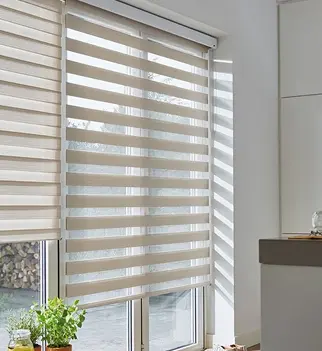
Why Precision Matters in Custom Blind Installation
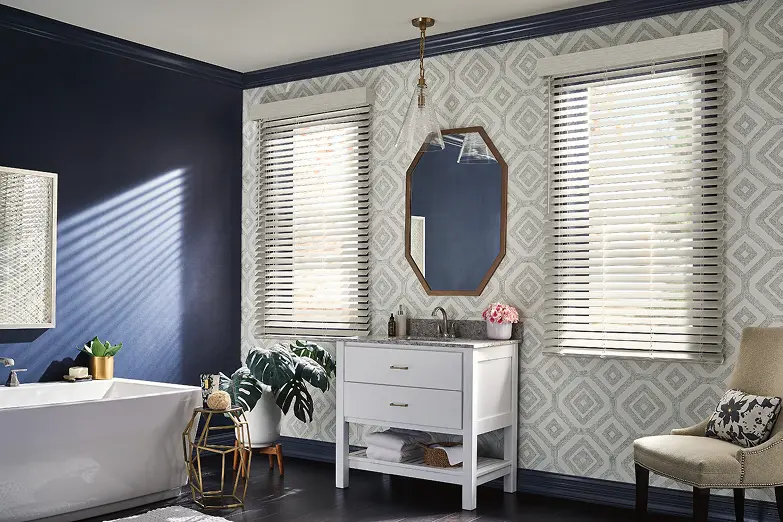
Measure to Ensure Precision
To guarantee that window treatments function correctly and blues look aesthetically pleasing, measurements must be accurate. Things like the width, height, and which way the blinds will be mounted all come into play. Measurements that appear to be insignificant could be the difference between a window and blinds looking unfinished.
Some effects of improper measurements are that the blinds could:
- Rub and Bind
- Create Light Gaps
- Decrease Privacy
- Give an Off Satisfaction Finish
Inside-mounted blinds require more precise measurements than any other type. Windows are square at the homeowner’s discretion. However, this is not the case; windows can and do vary from top to bottom and side to side. Measurements are. more than just a formality. Poor measurements can lead to customer frustration.
A custom, precise blind installation gives users a pleasing result. Spaces that are well thought out and organized appear more polished.
When measurements lack precision, the eye will notice. Poor measurement can lead to a lack of sight control and privacy. Light gaps can be an issue in determining the control users have over light within an area.
Quality blinds can control the amount of sunlight that comes into the room, how much light can be seen into your home, and how they age from use over time. That said, blinds must be installed correctly. This means that brackets should be level, blinds should be the right size, etc., when adjusting your blinds. All of these factors will greatly aid the blind in functioning properly without unnecessary strain, thereby reducing the effects of aging from use over time.
In most cases, the greater the degree of control you have over your blinds, the better.
Bedrooms
Bathrooms
Media rooms
Street-facing rooms
Common Mistakes When Installing Blinds
Mistakes in installing blinds can quite literally be the difference of hundreds of dollars, and, in consequence, the most common errors are equally tragic.
- Forgetting the mount depth
- Forgetting to check handles, trims, or anything else that could obstruct the installation
- Not measuring brackets enough
- Assuming all windows are the same size
- Using the incorrect hardware
The errors listed above can be frustrating when installing custom blinds.
Bottom Line
Certified professional custom blind installers are trained to do more than affix brackets. They will evaluate the window, confirm the mount, and account for any irregularities. They will also ensure that the blind operate properly. Many details can be missed; for example, how deep the frame is, what the surface is, and how much the opening varies.
That is the difference between something that simply fills the opening and something that finishes the space.
Custom blind installation is all about precision. Proper installation will help ensure custom blinds do not look aged and extend their lifespan.
FAQ
1. How come precision is critical for custom blind installation?
Custom blinds fit for a specific window. Measuring or leveling errors can affect fit, appearance, privacy, and functionality.
2. Can a small measuring mistake actually make a difference?
Absolutely. Small mistakes can lead to large gaps, misalignment, or even blinds that don't work.
3. Are inside-mount blinds more difficult to install?
Yes. Inside mounts are less forgiving when measuring because the blind must fit inside the window frame, and it often encounters frames that are not perfectly square.
4. What leads to light gaps after blinds are installed?
Gaps that let light in are often the result of poor sizing, an inappropriate mount, or misalignment.
5. Do blinds that are installed by a professional last longer?
They tend to last longer because properly installed blinds reduce the strain on the mechanism.
6. Is custom blind installation a good investment?
Definitely. Custom blinds protect the investment and deliver a cleaner, more functional result.