Vertical Blinds vs. Horizontal Blinds: Pros, Cons, and Best Uses
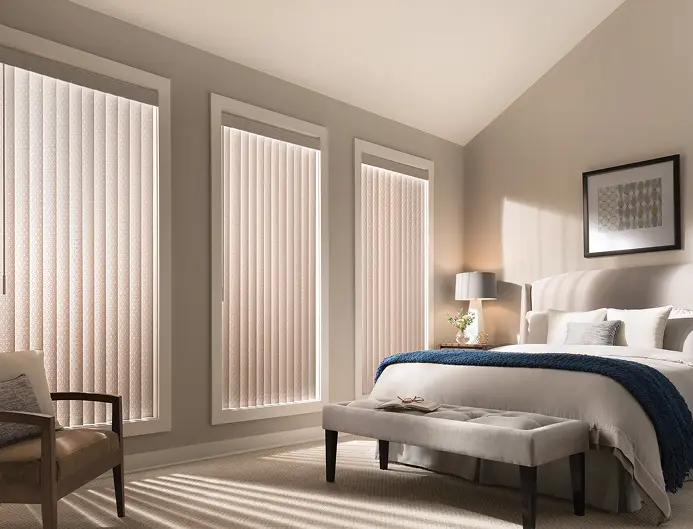
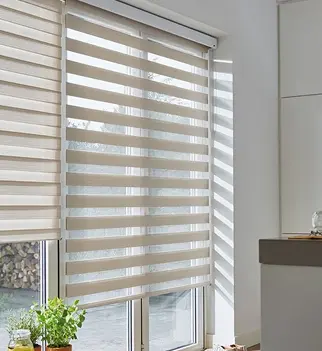
Vertical blinds are made of a collection of vertical slats that are hung from a track and can spin from side to side. They are mainly used for large windows and sliding glass doors as they require great coverage. Horizontal blinds have rows that run from left to right and can be lifted up, so they are a common and practical option for standard windows throughout a house. While the difference may seem small, it impacts everything from functionality to aesthetics completely.
Functional Considerations
Vertical blinds create a feeling of openness. The vertical lines pull the audience's eye upwards and outwards, and can help divide large spaces so they aren't as overwhelming. The vertical blinds of today can be found in modern, refined fabrics, clean designs, and in neutral colors for a modern look instead of a bland, commercial aesthetic. Vertical blinds create a more modern, layered look. The large slats create a modern rhythm that is well-suited for bedrooms, offices, and living spaces. Light Control and Privacy Differences
Each of the types of blinds gives the same kind of control of the light in a home and gives differing privacy control. For example, the vertical blinds adjust light control by either rotating the slats to open or fully pulling the blinds to the side, giving a full view of the open space. For the horizontal blinds, they provide light control by adjusting the slats either to be fully opened or turned vertically. They also provide privacy control by closing the slats. This flexibility is ideal in a bedroom or workspace as the lighting situation can change throughout the day.
Best Uses for Vertical Blinds
Vertical blinds work best in places where the space is wider and special attention to the height of the windows is not as important. They can also be very useful in places like sliding glass doors. These types of doors, floor-to-ceiling windows, and living room windows with wider frames can also work well with vertical blinds. When vertical blinds stack on one side, they look very clean and neat, which is great for spaces with a lot of traffic.
Best Uses for Horizontal Blinds
In everyday homes, horizontal blinds work best with standard windows and provide great light control. They are ideal in spaces like bedrooms, home offices, kitchens, and dining rooms. Horizontal blinds are quite easy to operate, which is why they are very popular in homes.
Durability and Everyday Performance
Durability is an indicator of the blind’s shelf life of the blind, as this determines how well it will perform over an extended period of time. Weight is distributed all across the track system with the vertical blind slats, which is why these perform better over larger spans. Each slat is replaceable so if one with vertical blinds breaks, this will not impact the blind’s overall performance. For durable horizontal blinds, the openings are smaller and the cords and slats (which break over time) are less severe. The quality of the material and the skill of the installers are huge factors in determining the durability of the two kinds of blinds.
Ease of Operation and Maintenance
The ease of use in vertical blinds is also due to the fact that slats can slide and move vertically. The use is simplified with a track, and the curtain can be pulled all the way over. Cleaning can be done by just wiping each slat or by coming up and vacuuming the material if that’s the style. For horizontal blinds, there are also lifting and tilting mechanisms that are very intuitive. Each style will be dusted regularly so it does not lose its function in opening and closing.
Space, Window Size, and Room Layout
The layout of the room will determine the optimal blind style. The traffic flow and furniture impact the value of vertical and horizontal blinds. Larger blinds will perform better with a larger opening that will favor vertical. Smaller windows will be horizontal. The overall ceiling height will also impact the blind selection.
Value and Cost
Window treatment costs depend on the material used, custom options available, and the size of the treatment. Large windows are usually treated with vertical blinds as they are an affordable option. In contrast, for standard windows, horizontal blinds are considered an affordable option. The right solution for the application is of the most value, not focusing on cost alone.
Vertical Blind Misconceptions
Many people think vertical blinds are old-fashioned, and therefore not contemporary. In contrast, vertical blinds can be made modern and streamlined. Others think vertical blinds are not for home use and are exclusively used in the commercial, contractual, and professional industries. However, vertical blinds are being accepted by modern decorators in homes.
Recent Trends and Customization Benefits
Both contemporary blinds and modern blinds are custom-made and updated. Materials, colors, textures, and patterns are made available for customers. Control options, motorization, and cord-free blinds are both stylish and modern, and easy to use.
Value of Expert Advice
Professionally measuring and installing is essential for large openings and customized windows, as they ensure everything works and is aligned. Measuring and installing can allow for an enhanced and finished look to the space.
Conclusion
Both horizontal and vertical blinds have their own pros and cons. Your decision will depend on the size of your window, the purpose of the room, and the day-to-day usage of the space. When chosen carefully, both types of blinds will provide the needed comfort, control, and style.
Frequently Asked Questions
1.Are vertical blinds still a thing in modern-day homes?
Yes. New materials and finishes have made vertical blinds a chic and functional option for big windows and doors.
2.Are vertical blinds a good option for sliding glass doors?
Yes. They are one of the best options because they completely open and control the light coming in through big spaces.
3.Which blinds are best for light adjustment?
Horizontal blinds are better for light adjustment because they have slat control, but vertical blinds are better for controlling light in big spaces.
4.Are vertical blinds easy to clean?
Yes. Vertical blinds are easy to clean, and the slats are fully replaceable.
5.Can you have both vertical and horizontal blinds in one house?
Yes. Many homes have vertical blinds on large openings and horizontal blinds on the regular windows.