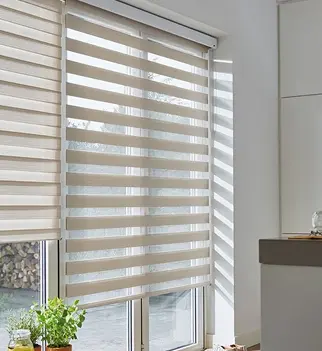
Top 4 Types of Blinds and How to Choose the Perfect One for Each Room

Blinds are often considered the last addition to a room, picked after everything else is decided, such as paint and furniture. However, the right set of blinds is just as important as the paint and furniture. Blinds determine not only how light enters a room and how private the room feels, but they also influence the temperature of the room. The correct blinds are a matter of understanding the purpose of the room and how it’s used. \
Existing homes and homes in the design process are not one size fits all; as such, window treatments should not be one size fits all either. Understanding the different types of blinds and knowing where they work best is the difference between a window dressing that looks good and one that truly solves the problem and looks good.
Getting to Know the Different Types of Blinds
Blinds are more advanced than they used to be. Contemporary designs strike the right balance between functionality, durability, and aesthetics, giving homeowners more control over the living environment. There are many types of window coverings, but most homes have a select set of blinds that do the bulk of the work. Knowing the foundational types of blinds streamlines the process of selecting the right type of blind.
Every blind type has its own niche in the market; the goal is to match the available options with the needs of the room.
Venetian Blinds: Flexible and Reliable
Venetian blinds are one of the most flexible styles of blinds you can get. They have horizontal slats that you can open and close to get light into the room while still maintaining some privacy. This functionality can come in handy for places that get bright light at different times during the day.
Venetian blinds are most often used in the kitchen, offices, and living rooms. The aluminum and faux wood materials are more moisture and heat-resistant than fabric, which makes them a better option for rooms that need a more durable and low-maintenance blind. Faux wood blinds can be used in virtually any style, ranging from modern to traditional.
Roller Blinds: Minimal, Clean, and Modern
Roller blinds are one of the most popular and in-demand options. They have a very sleek and simple appearance that makes them very visually appealing to a lot of homeowners. They are very uncomplicated and disappear into the roller neatly when you pull them up.
Roller blinds work beautifully in bedrooms, living rooms, and home offices. There are a variety of materials that roller blinds are made from. Lighter materials will filter light but block some of the heat, while darker materials will block all light and provide privacy. This makes them a versatile option for any room, which is a big reason why so many homeowners get them.
Vertical blinds are practical for large openings.
Vertical blinds are made for large openings. Where other types of blinds fail to fit, wide windows, sliding doors, and floor-to-ceiling glass openings, vertical blinds are made to fit. Vertical sliding slats can be closed to gain privacy and light control, while being able to be drawn wide to gain full access to the opening.
Vertical blinds are also great for open concept places, patio doors, and commercial settings. They provide good light control and privacy, while also being multifunctional, making vertical blinds practical for large openings that need to be in constant use.
Roman blinds, soft style with structure
Roman blinds offer a good edge between blinds and curtains. For spaces with fabric that can be folded and drawn wide at the top for the warm and soft look of a curtain, roman blinds are a great fit. In summer, to halt light flow, they can be drawn closed while also being stunning and decorative.
Roman blinds are great for lounges, dining rooms, and bedrooms. Where focus is on comfort and the look of the room as much as the light control, roman blinds are a good fit. They allow homeowners to bring in sufficient color and patterns to a room without being too overpowering.
Choosing the Right Blind for Each Room
The best way to choose blinds is to go room by room. In the kitchen and bathroom, it is best to use moisture-resistant, easy-to-clean materials. In bedrooms, there are privacy concerns, and blackout options are often beneficial. Living rooms need flexible light control that can adapt to different rooms throughout the day. Offices need to reduce glare but must keep natural light.
Matching blind types to these practical needs is more likely to ensure long-term satisfaction.
Key Factors to Consider Before Deciding
Multiple factors need to be taken into account for every decision. Depending on light exposure, one may need more control than another. Users may impose different privacy requirements depending on the window’s placement. Other rooms may require more or less frequent maintenance than others. Safety is a primary concern for homes with children or pets. A budget must be established, but long-term durability should be prioritized over lower costs. When these factors are taken into account, the answer becomes clear.
Common Mistakes to Avoid
A very common mistake is to choose the same type of blind for every room without considering that each room may potentially use each blind in different ways. Another common mistake is prioritizing appearance over function. Blinds that are easy to fade, warp, or become difficult to maintain should be avoided. Poorly fitting or designed blinds can increase the likelihood of the above problems and should be avoided if an inexperienced design is a concern.
Blinds should serve the purpose they were intended to serve, and not be a hindrance and a destructive source of headache.
The Importance of Professional Advice
Advice and consultation from the professionals. Custom-made to size for a perfect fit, to properly choose a material to not wear out too quickly, and to be expertly positioned for proper functioning. The best advice on a purchase is not to just buy a pair of blinds.
FAQ
1. What are the top blind types used in homes now?
Because of the variety in needs, the top ones are Venetian, roller, vertical, and Roman blinds.
2 . Which of the blinds is best for bedrooms?
For bedrooms, the choices are roller blinds with blackout fabric and Roman blinds with a lining that is thick. That offers the best privacy and light control.
3. Can Venetian blinds be used in kitchens and bathrooms?
Most definitely, especially when the Venetian blinds are made out of aluminum or faux wood, as they are moisture-resistant and are also easy to clean.
4. What is the reason that vertical blinds are suggested for sliding doors?
Because they are able to control light and privacy, but they also make it easy to slide and open the doors, so they are a great option for wide spaces.
5. Should I pick blinds based on design or utility/scope first?
Utility scope always comes first. Once the blind does its job well in the room, you can pick style options.
Picking the right types of blinds is not about being trendy, but about knowing how your home operates. How home systems are set up determines how well a room functions. When blind types are chosen with intention and knowledge, the room will feel cozy, and the room will be easier to navigate and more aesthetically pleasing.