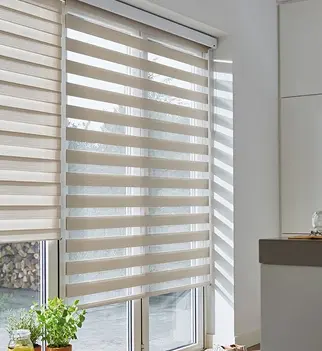
The Benefits of Custom Drapery in Home Staging and Real Estate
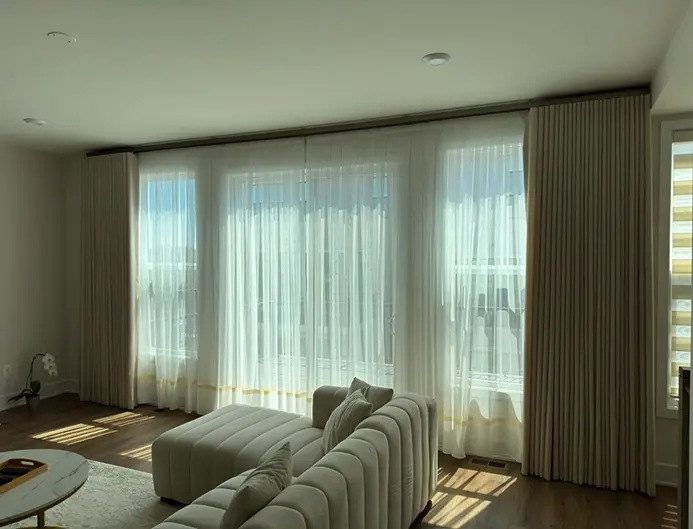
Why Window Treatments Matter in Home Staging
Dated window treatments can quietly age a house. A pleated valance from 2004 tells buyers the kitchen might be from 2004 too, and first impressions formed in photos tend to stick through the showing.
Bare windows cause a different problem. In a bedroom or formal living room, glass with nothing around it can feel like a model home before move-in, a little cold and unfinished.
Staging itself has a track record. In the National Association of Realtors’ staging surveys, most buyers’ agents say it helps buyers picture a property as their future home, and windows frame most of what buyers see in those photos.
How Custom Drapery Makes Rooms Look Larger and Brighter
Hanging Drapery High and Wide
Mount the rod near the ceiling, or at least several inches above the frame, and extend it 10 to 16 inches past the trim on each side. When the panels are open, they stack against the wall instead of the glass, so the window reads wider and the ceiling higher with no daylight lost. Good drapery hardware makes the extra width easy to support.
Floor-Length Panels and Tailored Proportions
Off-the-shelf panels come in a few set lengths, and the gap shows. Drapery that stops three inches above the floor looks like a pair of pants after a growth spurt. Custom drapery is cut to the exact drop, so the hem touches the floor, creating a clean, deliberate line in photos.
Choosing Custom Drapery Fabrics and Colors That Appeal to Buyers
The drapery in a staged home should be easy to live with for whoever buys it. A few guidelines hold up across most listings:
-
Solid fabrics close to the wall color, or a soft neutral that suits the palette
-
Linen-look or lightly textured weaves instead of shiny or heavily patterned ones
-
Simple headings like ripplefold or pinch pleat
-
No valances, swags, tassels, or tiebacks
Lined panels hang straighter and photograph more evenly, which helps if the listing sits through a few weeks of showings.
Custom Drapery in Listing Photos and Showings
Panels on either side of a window frame the view the way a mat frames a print. They also soften the hard edge where bright glass meets a darker wall. Open everything fully for photo day and every showing, because half-drawn drapery pulls the eye to the fabric and away from the room.
Afternoon showings in west-facing rooms are trickier. Low sun can throw glare across the floors and leave visitors squinting. Custom sheers diffuse that light and can stay closed without making the room look dark.
Where Window Treatments Add the Most Value When Staging
Spending evenly across the house usually wastes money. Put it where buyers linger and where the windows need help. Buyers expect the primary bedroom to feel finished and private, so it comes first. Living and dining rooms anchor the listing photos. Windows without trim are good candidates too, because simple panels can stand in for missing casing.
In an entry-level townhouse, a budget blind in the den won’t bother anyone. In a higher-end Northern Virginia listing, buyers expect the windows to match the finishes.
Do Custom Drapery and Window Treatments Convey With the Sale?
It depends on the contract. Rods, brackets, and mounted blinds are often treated as fixtures that stay. Drapery panels can go either way. If you plan to take the drapery with you, or want buyers to know it’s included, write that into the listing agreement. Rules vary, so confirm the details with your agent. This isn’t legal advice.
Planning Custom Drapery Before You List
Custom drapery usually takes three to five weeks from consultation to installation, so schedule it alongside paint and repairs. Book the install at least a few days before photo day. Freshly hung drapery can look stiff on camera until the folds relax.
Tips for Agents and Stagers
Agents who handle vacant or luxury listings save time by keeping one drapery partner on call. A few habits make the process smoother:
-
Measure windows during the pre-listing walkthrough.
-
Settle on a couple of go-to neutral fabrics so each job doesn’t start from scratch.
-
Book the install before the photographer, with a few days of buffer.
Sellers who are unsure about drapery often come around after seeing a gallery of finished rooms.
If you’re preparing a listing in Virginia, DC, or Maryland, you can compare fabric samples at the Brilliant Blind & Design showroom at Fair Oaks Mall in Fairfax, or schedule a free in-home consultation.
Frequently Asked Questions
1. Should I remove my curtains before selling my house?
Take them down if they’re dated, heavy, or block light. Neutral panels that open fully off the glass can stay, and they often help.
2. What color drapery is best for home staging?
Something close to the wall color. Warm whites are safe in most homes.
3. Is custom drapery worth it if I’m selling soon?
It depends on the home. Custom drapery makes the most sense in rooms that lead the listing photos, or in higher-priced homes where ready-made panels look out of place. For a quick sale of a starter home, ready-made panels on a well-placed rod may do the job.
4. Do window treatments stay with the house when it sells?
Mounted hardware and blinds usually do. Panels vary, so put it in the contract.
5. How high should drapery be hung to make a room look bigger?
As close to the ceiling as you can, or at least 4 to 6 inches above the frame. Extend the rod 10 to 16 inches past the trim on each side.