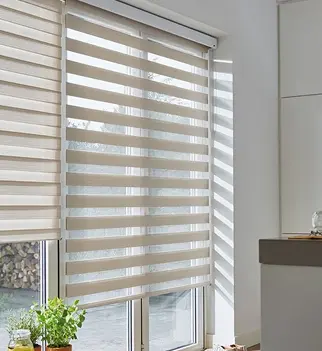
Motorized Blinds for Hard-to-Reach Windows: Skylights, High Ceilings, and More
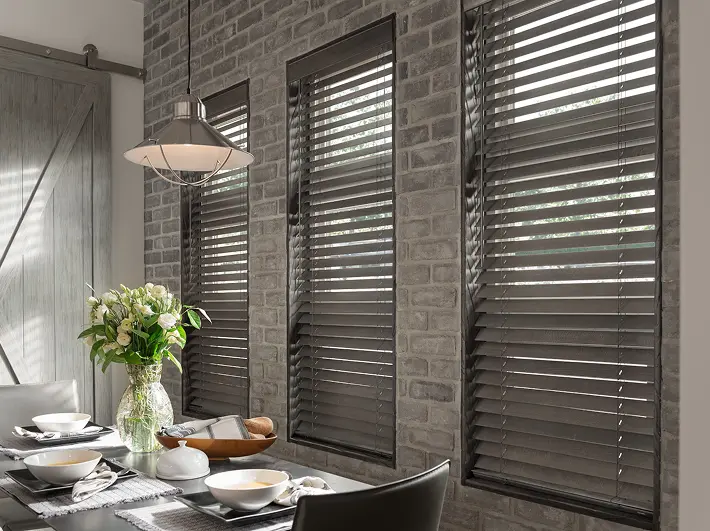
The Windows You've Been Ignoring (And Why That's About to Change)
There's a window in almost every home that gets the same treatment year after year: it's left alone. Maybe it's the skylight flooding the living room with afternoon glare. Maybe it's the towering window above the staircase landing, or the transom high above the front door that's been letting in unfiltered sun since the day you moved in.
You don't touch it not because you don't want to, but because getting to it means hauling out a ladder, balancing precariously, and hoping for the best. So the glare stays. The UV damage quietly continues. And the room never quite looks or feels the way you imagined it would.
Motorized blinds exist precisely for these windows. And once you install them, you'll wonder how you ever lived without them.
Why Hard-to-Reach Windows Are a Bigger Problem Than They Seem
A window you can't easily reach is a window you can't control and uncontrolled light is one of the most overlooked problems in interior design and home comfort.
Skylights, in particular, are notorious for this. They're architecturally stunning and flood a space with beautiful natural light. But that same light, left unchecked, can raise the temperature of a room by several degrees on a summer afternoon, bleach hardwood floors over time, and create glare that makes TVs and computer screens unusable. High windows along stairwells and lofted living areas face the same problem. The solution, manual blinds is technically possible but practically miserable.
Electric blinds eliminate this entirely. With a single tap, press, or spoken command, the blinds descend, the glare disappears, and the room transforms.
What Makes Motorized Blinds Ideal for These Spaces
The case for motorized blinds in hard-to-reach spaces rests on four pillars:
Safety. No ladder means no risk. This matters most for elderly homeowners, families with children, or anyone who simply doesn't want the liability of a 12-foot fall to manage their window treatments.
Consistency. Because adjusting manual blinds on high windows is such a hassle, most homeowners leave them in one position indefinitely. Motorized blinds make it easy to adjust throughout the day morning, afternoon, and evening which is how light control is supposed to work.
UV Protection. Furniture, flooring, and artwork fade faster than most people realize. A study by the Skin Cancer Foundation found that UV rays can penetrate standard window glass with significant intensity. Being able to effortlessly lower electric blinds during peak sun hours is genuinely protective not just for your comfort, but for your home's value.
Aesthetics. There are no dangling cords, no tangled chains, no manual mechanisms visible at height. Motorized blinds in skylights and high windows look clean, intentional, and architecturally integrated.
The Best Types of Motorized Blinds for Hard-to-Reach Windows
Not all electric blinds are created equal, and the right choice depends on your specific window type.
For skylights, look for solar shades or blackout roller blinds rated for roof applications, they're designed to handle the extra heat load and UV exposure that horizontal or angled windows collect. Many are available in battery-powered versions that install in under an hour.
For high windows and vaulted ceilings, motorized cellular shades are a popular choice. Their honeycomb structure provides insulation as well as light control ideal for those soaring windows that look beautiful but quietly drain your heating and cooling budget.
For transom and clerestory windows, motorized roller shades are typically the cleanest solution. Their slim profile sits flush with the frame, and since these windows are often purely decorative, a sheer or light-filtering fabric lets in softened light while keeping the view.
Smart Home Integration: Your Hardest Windows on Autopilot
One of the most compelling benefits of motorized blinds is their compatibility with smart home systems. When you connect electric blinds to a platform like Google Home, Amazon Alexa, or Apple HomeKit, they become genuinely intelligent.
Set a schedule: blinds lower automatically at 2 p.m. when the afternoon sun hits your skylight and rise again at 5 p.m. as the angle shifts. Pair them with a smart thermostat and the system can adjust both your blinds and your temperature together, reducing energy consumption without you lifting a finger.
For vacation homes, rental properties, or simply a house that's often empty during the day, this automation is invaluable. Your hardest-to-reach windows are no longer afterthoughts, they're part of a living, responsive home.
Installation: Simpler Than You Think
The most common hesitation homeowners express about motorized blinds is installation. The assumption is that wiring is involved, which means electricians, permits, and expense.
For most residential applications, that assumption is wrong. The majority of motorized blinds today, including virtually all skylight and high-window models are battery-powered or solar-charged. They install using the same brackets as standard blinds, require no hardwiring, and are recharged via USB or a long charging wand when needed (typically once or twice a year).
Hardwired options exist for new construction or major renovations and offer the most seamless operation. But for most homeowners retrofitting existing windows, battery-powered electric blinds are the practical, affordable, and entirely DIY-friendly choice.
FAQ
Q1: Can motorized blinds really work on skylights? Yes and they're arguably the best application for them. Skylight-specific motorized blinds are designed to handle the intense heat and UV exposure of roof-mounted windows. Many are battery-operated and come with remote controls or app connectivity. Installation doesn't require professional wiring in most cases.
Q2: How long do the batteries last in battery-powered electric blinds? Battery life varies by brand and usage, but most quality motorized blinds will run for 6–18 months on a single charge or set of batteries. Solar-powered options, which use a small panel to recharge continuously can operate indefinitely in well-lit installations.
Q3: Do motorized blinds work without Wi-Fi? Yes. All motorized blinds come with a physical remote as standard. Smart home and app connectivity is an optional layer, useful but not required. Your blinds will function completely independently of any internet connection.
Q4: Are electric blinds child-safe? They're among the safest window treatments available. Because there are no cords or chains, motorized blinds meet and exceed child safety standards. For homes with young children, they're not just convenient they're the responsible choice.
Q5: How do I clean motorized blinds on a skylight? For most fabric-based skylight blinds, light vacuuming with a brush attachment is sufficient for routine maintenance. More thorough cleaning can be done by lowering the blinds fully (via remote) and wiping with a damp cloth. Since the motor mechanism is sealed, occasional gentle cleaning won't affect the motorized components.
Q6: Can I add motorized blinds to windows I already have blinds on? In many cases, yes. Retrofit motorization kits are available for certain existing blind types and sizes. Alternatively, replacing the blind itself with a motorized version is often more reliable and cost-effective than retrofitting. Brilliant Blind's team can help you assess which option suits your existing windows best.
Every window deserves the right treatment even the ones you've been ignoring. Browse motorized blinds and electric blinds at Brilliant Blind →